
The Alchemy of Play: Where Code Meets Canvas
We don't build games; we architect feelings. Every pixel, animation curve, and sound cue is a deliberate emotional trigger. Our core thesis is simple: the initial 3 seconds of interaction must establish a tactile, responsive identity. This is our non-negotiable contract with the player.
Constraint as Catalyst
We embrace hardware limits not as barriers, but as the framework that forces elegant, minimalist solutions.
The Invisible UI
Our goal is to make control feel like instinct, not instruction. The best interface is one the player forgets is there.
Measuring Joy
We A/B test for unprompted smiles, not just retention. Success is a frequency of delight, not just a metric.
The Visual Lexicon: A Grammar of Motion
A set of repeatable rules that make our games instantly recognizable and emotionally resonant.
Elastic Ease
Our proprietary spring curve for all interactive elements. Creates a signature feel of weight, snap, and playful defiance of inertia.
Color as State
Palettes shift from warm to cool to signal game state changes. Color is a gameplay mechanic, not decoration.
Kinetic Typography
UI text breathes, pulses, and morphs. Variable fonts allow dynamic shifts in weight and width based on game energy.
3:1 Fidelity
We maintain a precise ratio: 3 parts hand-drawn organic shapes to 1 part precise geometric form across all assets.
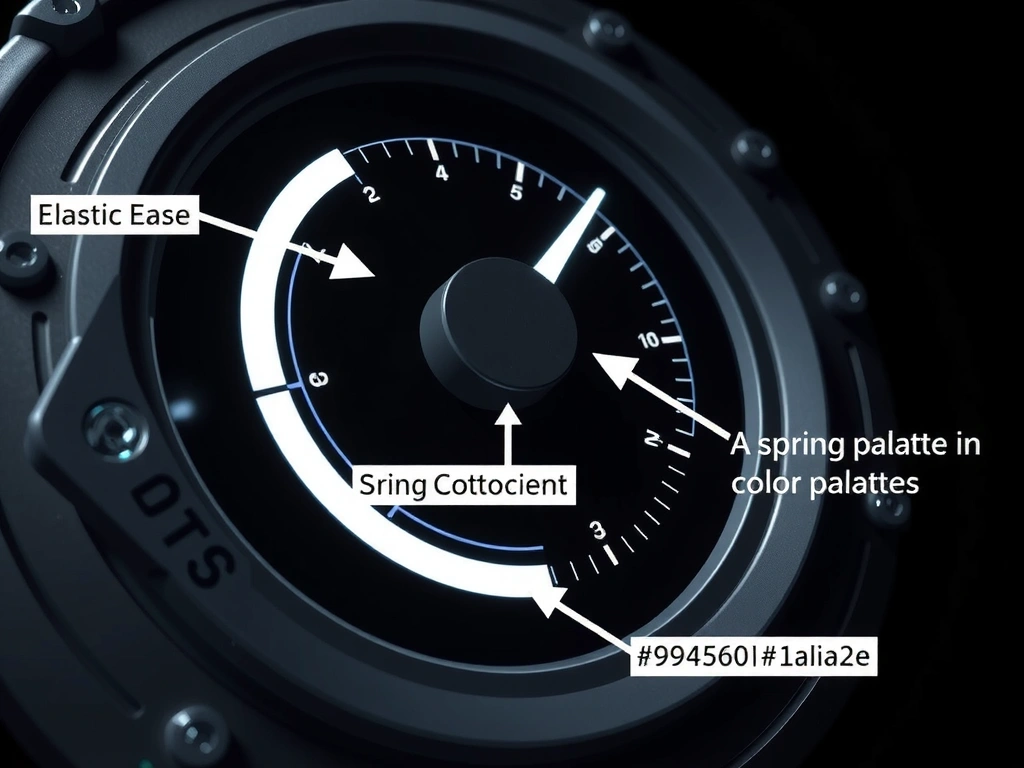
A typical UI asset annotation, showing the precise curve math and color tokens required for implementation. This is how we maintain consistency across our visual lexicon.
Trade-off Lens: Aesthetic vs. Performance
- CHOICE: Complex, hand-drawn animated icons vs. vector assets.
- UPSIDE: Unique, memorable character and perceived craft quality.
- DOWNSIDE: Higher file size, longer load times on slower networks.
- MITIGATION: We use a tiered asset loading system. Core UI loads instantly with vectors; decorative icons stream in asynchronously. We also standardize on a specific, highly optimized frame-by-frame format (not GIF) for icons under 10KB.
The Journey: From Curiosity to Mastery
The Whisper (0-60s)
We introduce core mechanics through environmental storytelling, not a tutorial. The player 'discovers' the rule.
"Wait, I can jump on these mushrooms? That's... not a wall." - Player Test Log

The Flow State (1-10 mins)
We calibrate the challenge curve to sit just above the player's current skill, using real-time telemetry to adjust.
"I didn't even notice the time. I just... lost myself." - Post-session interview
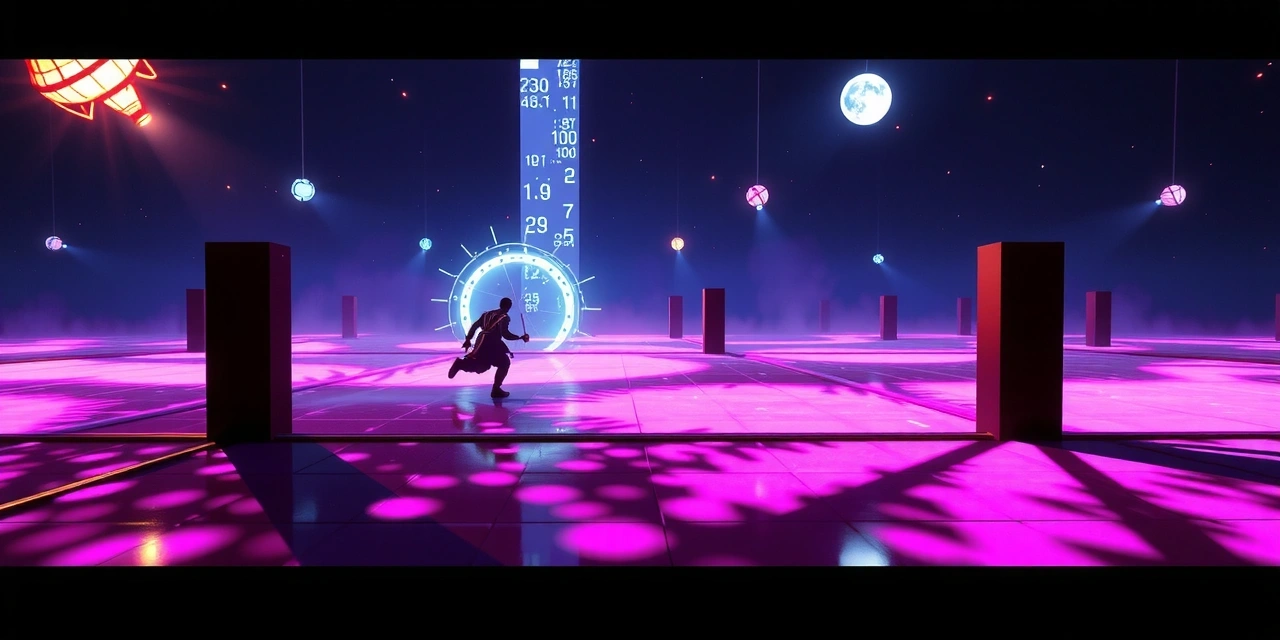
The 'Aha!' Moment
A scripted moment where the player combines two previously separate mechanics to solve a novel problem.
"You mean I can use the dash to cross that gap *and* reset the buoyancy? It clicks." - Level design playtest
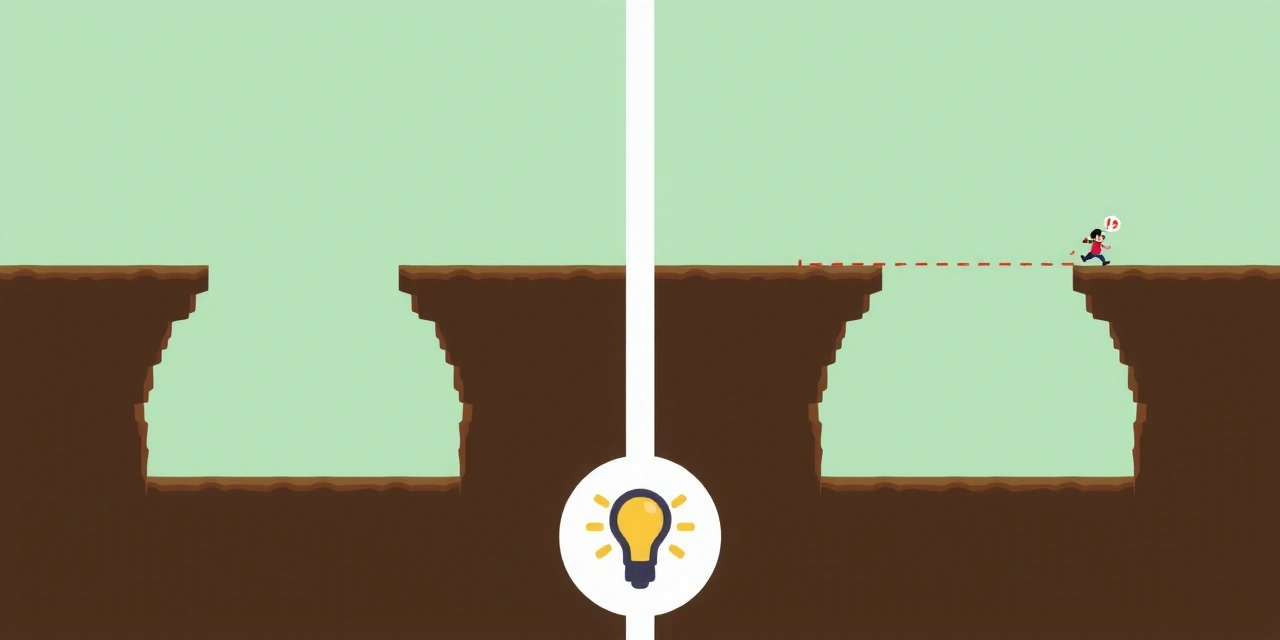
The Mastery Signature
Endgame rewards not just completion, but stylistic expression—allowing players to solve problems in their own way.
"Look at how this player clears the level. It's like a different game." - Community highlight
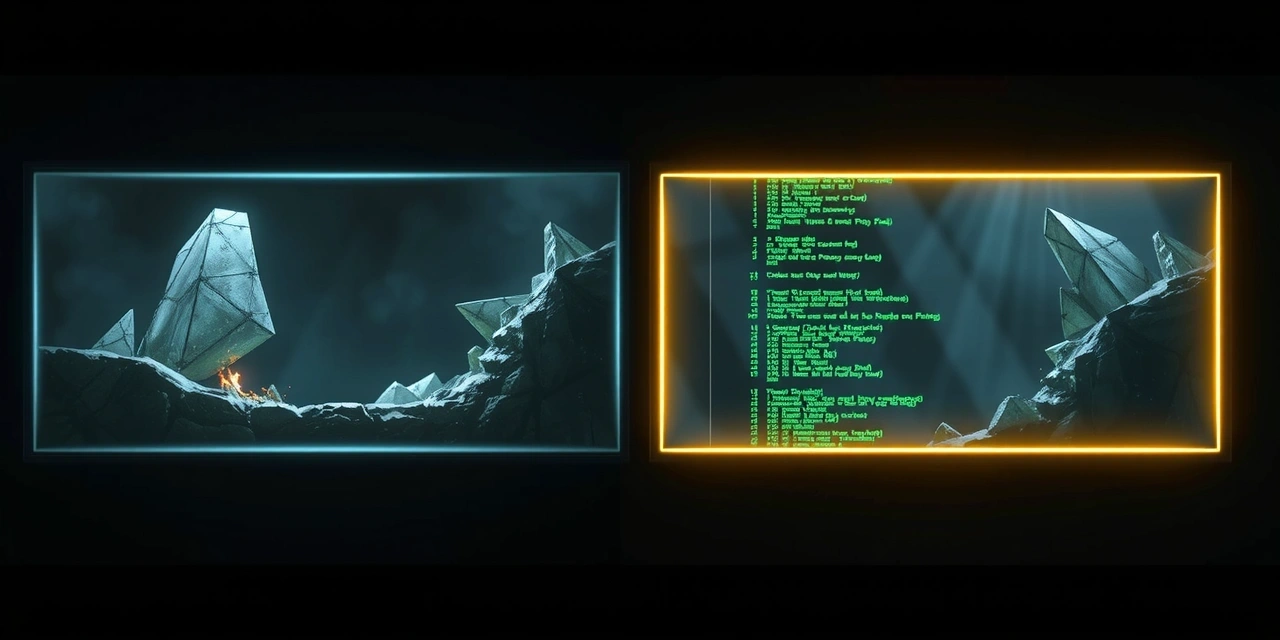
Pitfalls Rail
Common mistakes in game design that we actively avoid, with our mitigation strategies.
The Fun Tax
Punishing early difficulty spikes that cause player drop-off before the core loop is understood.
*Mitigation:* We front-load 'micro-wins' in the first 3 minutes, rewarding every small interaction.
UI Bloat
Adding too many buttons and menus, creating a cluttered, intimidating interface.
*Mitigation:* We use context-sensitive controls that appear only when needed, then fade away.
The Glitch Aesthetic
Misinterpreting 'artistic' low-frame-rate animations or intentional lag as a feature, not a bug.
*Mitigation:* Our 'Elastic Ease' system ensures perceived responsiveness is high, even on lower-end devices.
The Engineering of Delight
Performance is not an afterthought. It is a foundational feature that enables everything else.
The 60fps Covenant
Target: < 16.6msWe target 60fps as the baseline for 'feel,' not just smoothness. A dropped frame is a broken promise. We use profiling on a fleet of real test devices, from flagship to budget models.
Sustained 60fps across test fleet
Battery as Constraint
Target: 4+ hrsWe design for 'all-day play' on mid-range devices. This forces ruthless efficiency: static batch rendering, texture atlases, and aggressive culling are non-negotiable.
Median session time on test devices
The 'Zero-Load' Illusion
Target: < 0.5sWe use aggressive asset streaming and procedural generation to create the illusion of a seamless world. The player should never see a loading bar unless they choose to fast-travel.
Accessibility as Performance
Target: 99% Device CoverageA well-optimized game is inherently more accessible, running smoothly on older devices and for players with motor sensitivities who rely on precise, consistent input timing.
Questions Investors Should Ask
How do you handle performance on a 3-year-old Android device?
We maintain a dedicated test fleet and profile all new features on the lowest-end target device first. If it doesn't run smoothly there, we don't ship it.
What's your process for balancing monetization with player experience?
We use ethical, value-based monetization. Every purchase unlocks something meaningful, never gating core progression. We A/B test pricing, not player pain.
How do you measure if a mechanic is 'fun' versus just 'successful'?
We track 'intent to replay' and session length after the player has achieved all goals. The best mechanic is one players return to for no other reward.
Can you share a real technical constraint and how you turned it into a feature?
For a past project, a tight memory budget forced us to use procedural audio. The result was a dynamic, reactive soundscape that became a praised game feature.
What's your post-mortem process, and is it public?
Every shipped project undergoes a structured post-mortem. We often publish key learnings on our studio lab page, including our biggest failures.
How do you scope projects to avoid feature creep?
We build a 'Constraint Canvas' in the first week. Every new feature must pass through it, proving it aligns with core pillars and doesn't violate hardware limits.
Ready to build with conviction?
Let's discuss how our philosophy translates to your project's specific constraints.