

Motion is the first language of gameplay.
Brandixo builds Turkish game apps for a global audience. We don't just design screens; we engineer the physics of play. From the first sketch to the final frame, our studio operates like a precision toolset for interactive fiction.
The Indie Mobile Vignette
"Our team has a vertical slice of a physics puzzle game. The core loop is fun, but the UI feels clunky. Players keep exiting during the tutorial because the buttons are small and the feedback is confusing. We need to make it intuitive for a 50-year-old parent on a Samsung A23."
— Anonymous Client, Portfolio Review Meeting, Q3 2025
This is a typical entry point. The challenge isn't adding features; it's distilling intent. Our process starts with a constraint audit: understanding the hardware limitations, the player's emotional state, and the core loop's non-negotiables. The UI isn't decoration; it's the operating system for the game's mechanics.
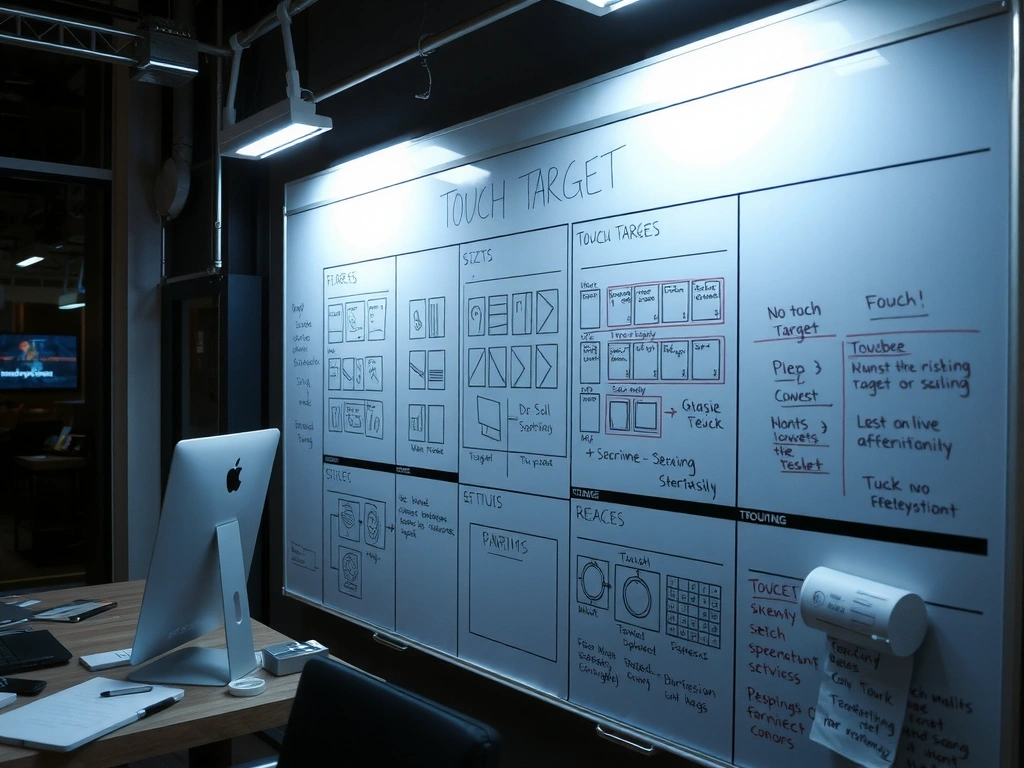
The 'Idea Seed' Development Timeline
Our process is non-linear. We map the chaotic path of creativity into a structured, visual journey with hard decision points.
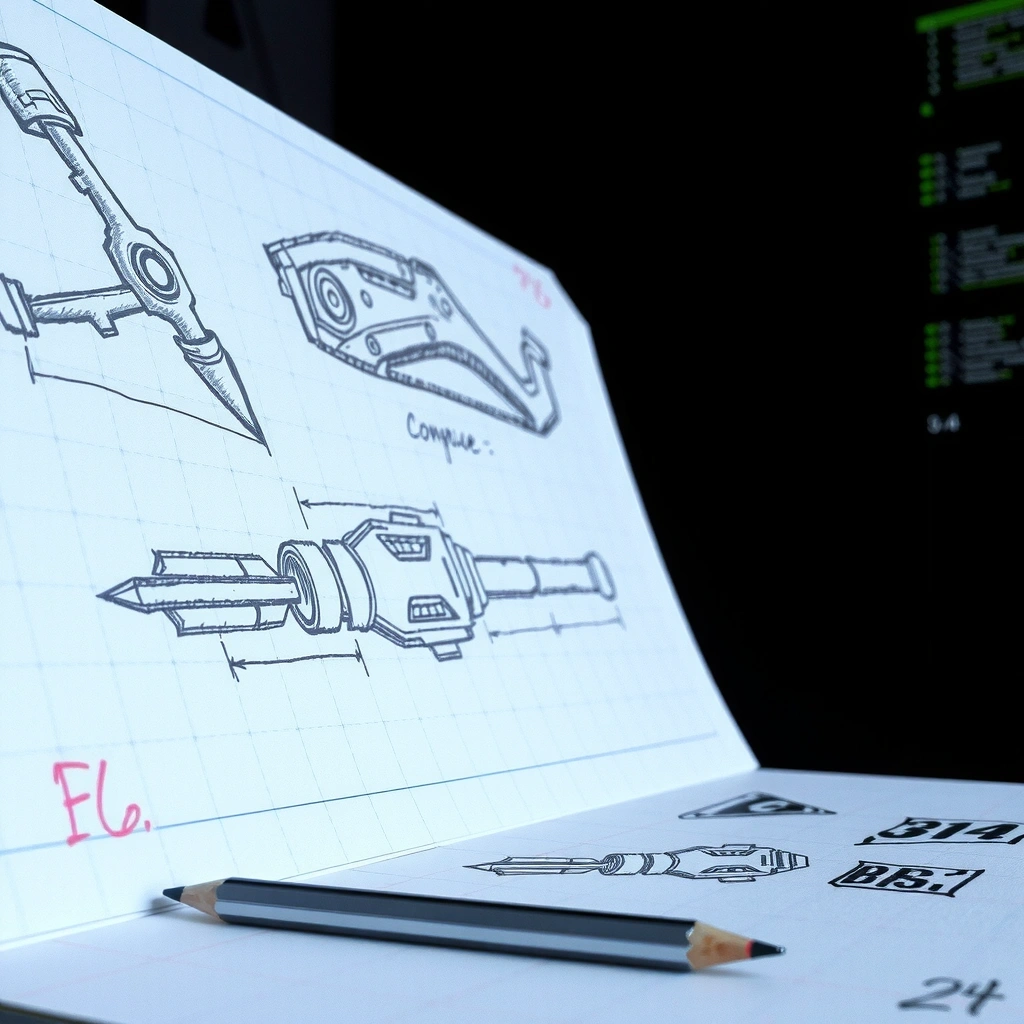
The Spark
Hand-drawn sketches on graph paper, annotated with core mechanic notes. We define the 'primary verb' of the game (e.g., 'aim,' 'connect,' 'build').
The Greybox
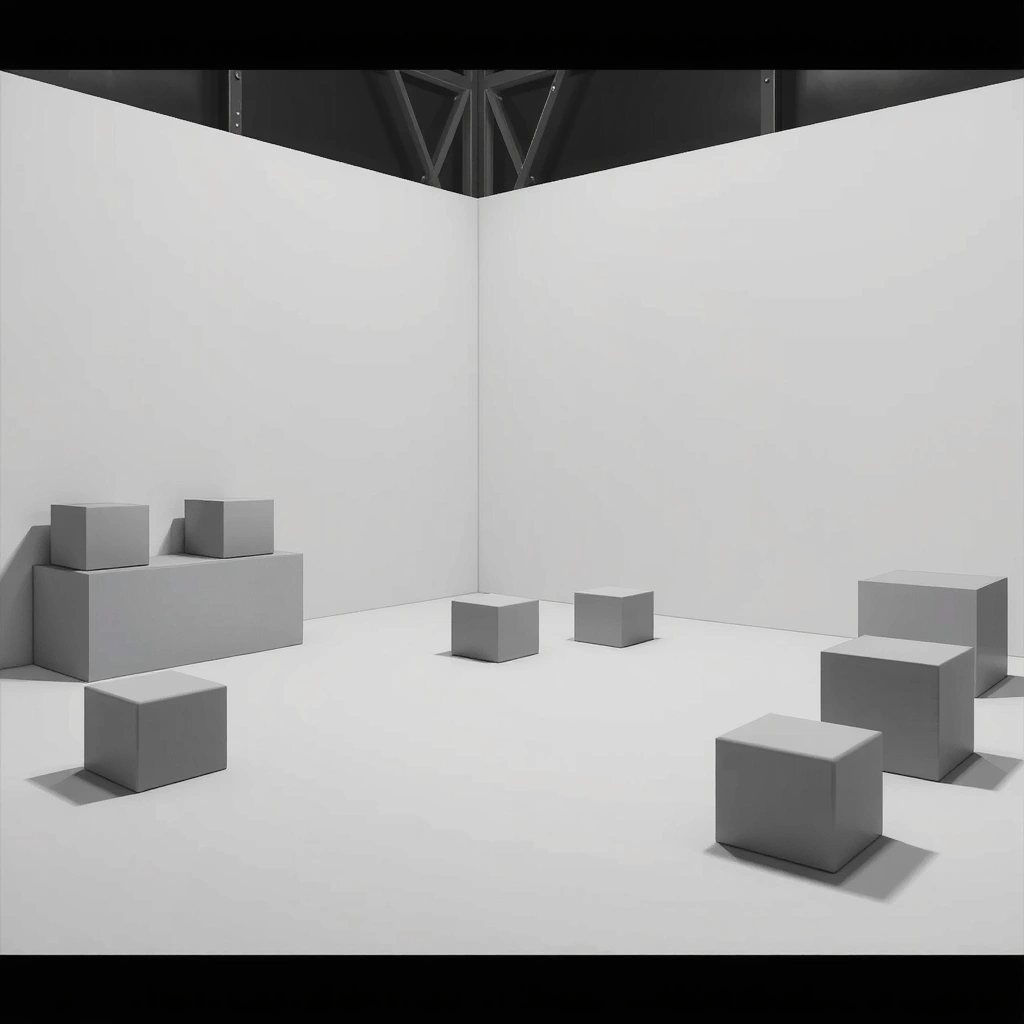
Monochromatic gameplay loops. We kill features that don't serve the core loop, regardless of how much we love them. The question is: is it fun with no art?
"If it's not fun in grey, the art won't save it."
The Polish
Side-by-side comparison: placeholder asset to final render. We optimize poly counts and texture sizes mid-pipeline to maintain the 60 FPS target on the Samsung A53.
The 'Glitch' Protocol: Performance Metrics
We don't guess. We profile. Here’s how we ensure visual fidelity doesn't compromise the underlying engineering on mid-tier Android devices.
Achieved via texture compression (ASTC) and atlas optimization.
Reduced polling frequency for non-critical UI elements.
Via dependency caching and precompiled shader variants.
Constraints Panel
- • Engine: Unity 2022 LTS (specific version locked for stability).
- • Target Device: Samsung A53 (mid-range, 2022 baseline).
- • Art Budget: Fixed, requiring aggressive LOD and atlas merging.
Method Note
We evaluate robustness using a "Redline Test": we intentionally throttle CPU/GPU to 50% and check if the core loop remains playable. The 'Kill List' is a running checklist of deprecated rendering calls (e.g., immediate mode GUI) that we refuse to use, regardless of legacy code.
What Changes Our Mind
A demonstrated performance optimization case study showing a 20% FPS lift on the same device class via profile-guided rendering.
Constraints are the canvas.
Creativity is the masterpiece.
We design for thumbs, not mouse cursors.
Every interaction is built on a 44px minimum touch target, tested on a physical device in a left and right-handed grip.
Clarity > Novelty.
If the player doesn't understand the interface within 3 seconds of pause, the design gets cut. No exceptions.
We refuse 'Dark Patterns'.
Our monetization is transparent. We avoid fake urgency, hidden costs, and subscription traps.
"Good design is invisible.
Great design is felt."
The Constraint Canvas
A visual mapping of a real project's technical and creative boundaries. Turning limits into a clear, actionable brief.
Locked version for stability; C# strict mode enabled.
60 FPS target on Snapdragon 750G (mid-range).
Performance budget: 50k tris per frame max.
ART STYLE → PERFORMANCE BUDGET
Explicitly defined in the first 2 weeks.
This is a living document. Every decision point is traced back to a core constraint. No feature exists without a proven origin.